
led bathroom mirror with demister
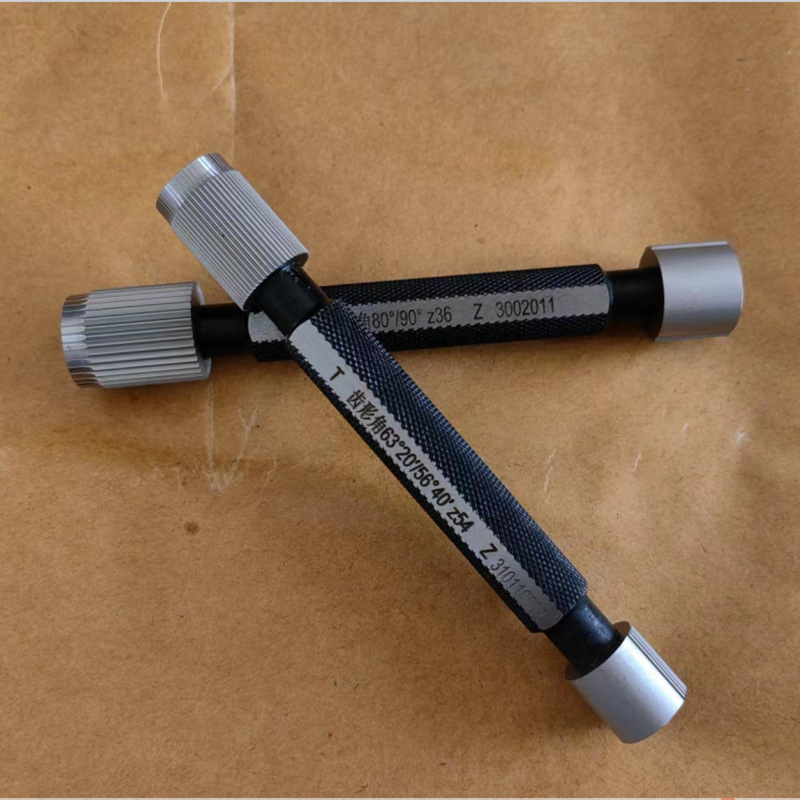
Understanding Morse Taper Gauges A Comprehensive Guide In the world of machining and precision engineering, the term Morse taper refers to a specific type of taper used to securely hold tools, primarily in lathes and drill presses. Named after its inventor, Stephen A. Morse, the Morse taper has become a standard in the industry due to its effective design and functionality. This article delves into the intricacies of Morse taper gauges, their applications, and their importance in ensuring precision and safety in manufacturing processes. What is a Morse Taper? A Morse taper is a self-locking conical fitting used primarily in machine tools to connect tools and holders. It features a series of tapered designs with increasing diameter measurements. This design ensures that tools can be easily inserted and removed while maintaining a secure hold during operation. The Morse taper system is available in several sizes—ranging from Morse Taper No. 0 to No. 7—where the number indicates the size of the taper, with No. 0 being the smallest and No. 7 being the largest. The Role of Morse Taper Gauges Morse taper gauges are precision measuring instruments utilized to determine the size and compatibility of Morse taper tools and spindle sockets. These gauges are critical for machinists and manufacturers who require a high degree of accuracy when selecting or verifying tool sizes. A Morse taper gauge typically features a series of tapered slots or pins, corresponding to the various Morse taper sizes. By inserting the gauge into the tool holder, users can confirm the correct taper size, ensuring a proper fit and stable operation. Importance of Accurate Measurements Accurate measurements in Morse tapers are crucial for several reasons 1. Tool Stability An accurate Morse taper fit minimizes vibrations and tool run-out, which can lead to poor machining quality and shortened tool life. 2. Safety A securely fitted tool reduces the risk of tool slippage, which can cause accidents during machining operations. morse taper gauge 3. Interchangeability In a workshop with multiple machines and tooling setups, having standard Morse taper sizes ensures that tools can be easily swapped between different machines without the need for constant readjustments. Utilizing Morse Taper Gauges When using a Morse taper gauge, follow these steps to ensure accurate measurement 1. Clean the Taper Before testing, ensure the Morse taper and the corresponding gauge are clean and free of debris. Dirt or grime can interfere with the fit and lead to incorrect readings. 2. Select the Appropriate Gauge Choose the gauge that corresponds to the size range you are measuring. It’s often beneficial to start with the smallest size and work your way up to find the most appropriate match. 3. Insert the Gauge Gently insert the gauge into the taper. There should be a snug fit without excessive force. If the gauge is too loose or too tight, it may indicate an improper match or wear on the tool. 4. Verify Fit Ensure that the gauge sits flush against the shoulder of the taper. A proper fit is essential for the tool to operate effectively and safely. Conclusion Morse taper gauges play a crucial role in the machining industry by providing machinists and manufacturers with the necessary tools to ensure accurate measurements and successful tool compatibility. By understanding the importance of Morse tapers and using gauges correctly, operations can achieve enhanced efficiency, quality, and safety. As industry standards continue to evolve, the significance of precise measuring tools, like the Morse taper gauge, remains steadfast in the pursuit of excellence in manufacturing and precision engineering. Whether you are a seasoned machinist or a newcomer to the field, leveraging the capabilities of Morse taper gauges is a fundamental step toward ensuring optimization in any machining operation.
about
led bathroom mirror with demister
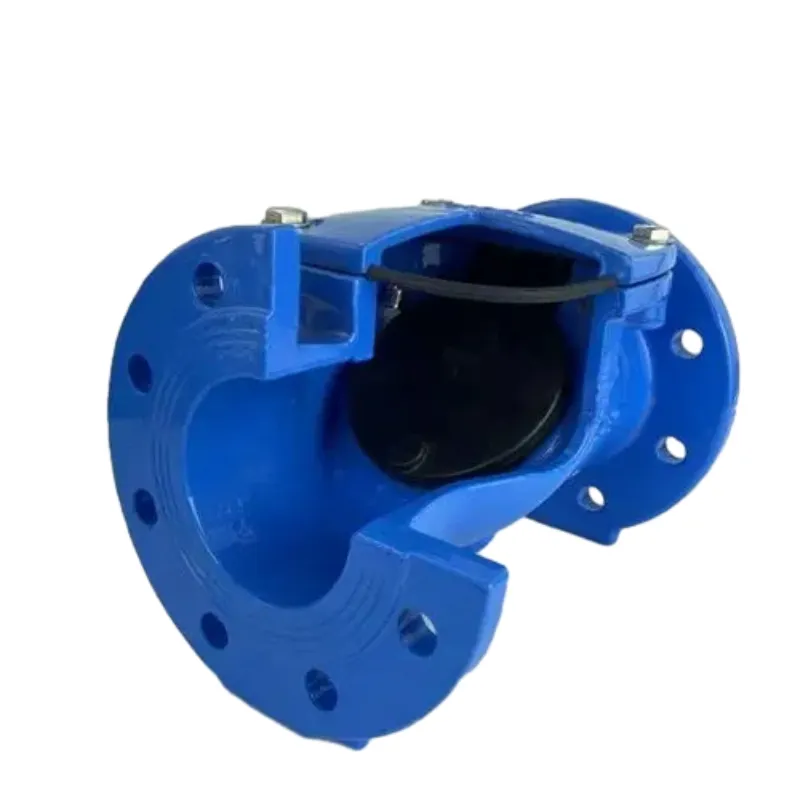
How to Close the Water Valve A Step-by-Step Guide Understanding how to properly close a water valve is essential for every homeowner. Whether you're dealing with a plumbing emergency, performing maintenance on your plumbing system, or preparing for seasonal changes, knowing how to close the water valve correctly is crucial to prevent water damage and ensure safety. This article will provide a comprehensive step-by-step guide on how to close the water valve effectively. Step 1 Identify the Water Valve Before you can close a water valve, you need to know where it is located. Most homes have several water valves, including 1. Main Water Valve This valve is typically located near where the water line enters your home, such as in the basement, crawl space, or outside near the foundation. 2. Individual Fixture Valves These valves can be found under sinks, behind toilets, or near appliances that use water, such as dishwashers and washing machines. 3. Outdoor Valves These are used to control water flow to outdoor hoses or irrigation systems. Once you’ve located the appropriate valve, ensure you have the right tools, if necessary. For most valves, you will simply need your hands, but occasionally, a wrench or pliers might be required. Step 2 Understand the Valve Type Water valves come in different types, such as gate valves, ball valves, and compression valves. - Gate Valves Usually rounded, these valves require you to turn the handle multiple times to close fully. - Ball Valves These generally have a lever handle that you can turn a quarter-turn (90 degrees) to close or open. - Compression Valves Commonly found under sinks, these require you to turn the handle clockwise to close. Knowing the type of valve will help you understand how to operate it effectively. Step 3 Prepare to Turn Off the Valve Before you begin turning off the valve, it’s essential to prepare 1. Clear the Area Make sure the area around the valve is free of obstacles. This will ensure you have enough space to maneuver and inspect for any leaks after closing the valve. how to close the water valve 2. Position a Container If the valve is under a sink or in a location where water could leak, place a bucket or container underneath to catch any residual water that may spill. Step 4 Close the Valve Now that you’re ready, proceed to close the valve - For Gate Valves Turn the handle clockwise until it is fully closed. You may need to turn it multiple times, depending on the valve size. - For Ball Valves Simply turn the lever 90 degrees until it is perpendicular to the pipe. In this position, the valve is closed. - For Compression Valves Turn the handle clockwise until it stops. Be careful not to overtighten, as this can damage the valve. Step 5 Check for Leaks After closing the valve, it’s crucial to check for any leaks. Turn on the faucet connected to the closed valve and observe 1. No Water Flow If there’s no water coming out, the valve has effectively closed. 2. Leaks If you notice any leaks around the valve, especially if it’s an older valve, it might indicate that the valve is worn out and may need to be replaced. Step 6 Document and Maintain Keep a record of the valves in your home and routinely check their condition. Proper maintenance can prolong the life of your plumbing system and prevent potential issues. Conclusion Closing a water valve is a straightforward yet essential task for any homeowner. By understanding the types of valves, knowing their locations, and following the steps outlined above, you can effectively manage your plumbing system. Whether you are responding to a leak, preparing for cold weather, or completing routine maintenance, mastering the art of closing water valves ensures your home remains safe and dry. Remember to remain proactive about your plumbing needs, and don't hesitate to call a professional if you're uncertain about any aspect of valve operation or maintenance.
-

High quality industrial productsagement

High quality industrial products
View Details -

Meet the diverse needs of customers

Meet the diverse needs of customers
View Details -

Strict quality control

Strict quality control
View Details -

Top raw materials

Top raw materials
View Details -

Trusted supplier

Trusted supplier
View Details
Our application
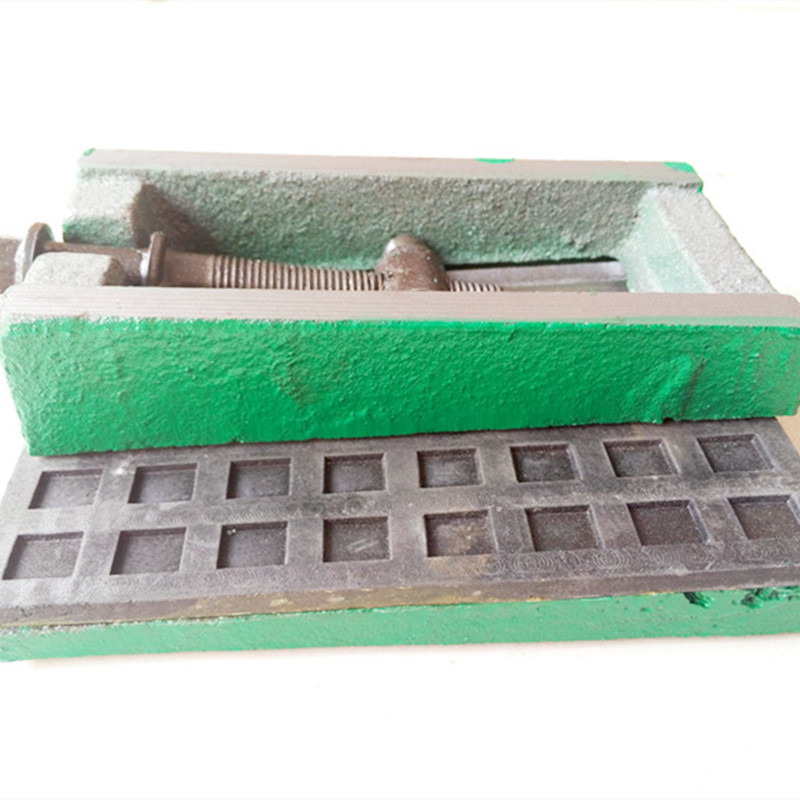
news and information

use of thread gauge
The Use of Thread Gauges Ensuring Precision in Manufacturing In the world of manufacturing and engin
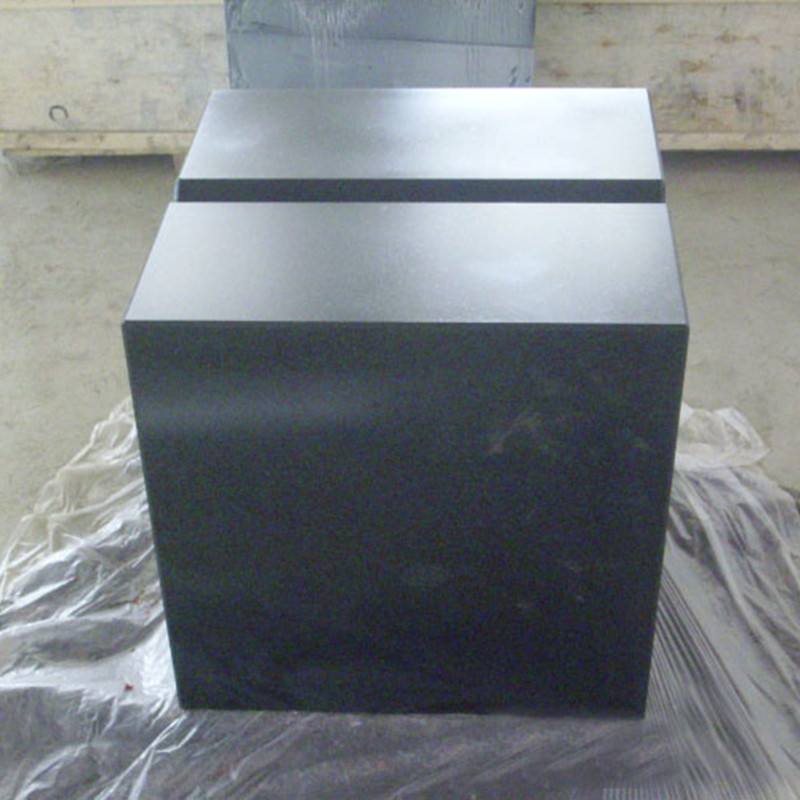
Utilizzo di barre d'acciaio nei lavori di costruzione di edifici e strutture
L'importanza delle barre d'acciaio nelle costruzioni edili Nel settore delle costruzioni, l'uso dell

Valve Types
Valve types are the unsung heroes in the world of engineering and manufacturing, playing pivotal rol
 English